
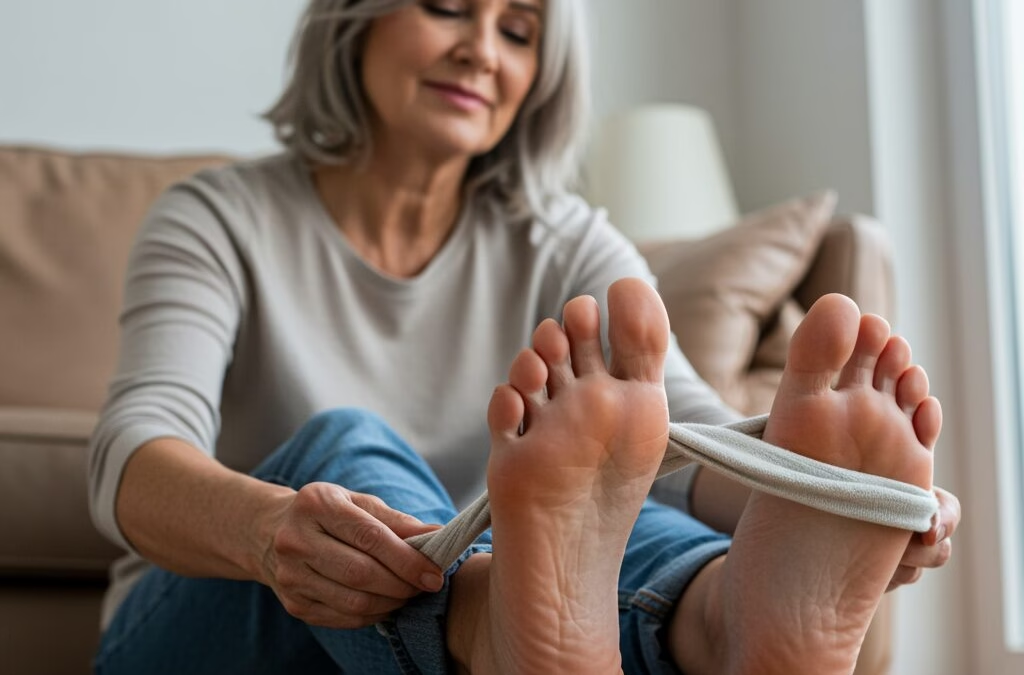
Have you found yourself wincing with every step, wondering why your feet have suddenly become such a source of discomfort? If that sounds familiar, you’re not alone, and the answer might be deeper than just tired soles. For many, hormonal changes during menopause could be playing a much bigger role than you think.
One of those frustrating midlife symptoms that often gets overlooked is persistent foot pain, particularly conditions like plantar fasciitis. When oestrogen levels begin to drop, it’s not just hot flashes and mood swings that get impacted. Everything from your tendons to your posture can be affected – and your feet, carrying the load of your daily life, truly feel the strain.
Let’s dive into what could be contributing to that nagging heel pain and general foot discomfort:
- Oestrogen Affects Your Connective Tissues. As oestrogen levels decline, a key change occurs in your body’s connective tissues: they become less elastic. This includes the crucial plantar fascia in your feet, the thick band of tissue running across the bottom of your foot, connecting your heel bone to your toes. When this tissue loses its elasticity, it becomes more prone to strain, micro-tears, and injury, leading to that characteristic sharp heel pain.
- Weight Gain During Menopause. It’s common for women to experience some weight gain during the menopausal transition. Even a modest increase in weight can significantly impact your feet. Extra pounds put added pressure on your feet, especially on the heel and arch. This increased load can exacerbate inflammation and contribute directly to the development or worsening of plantar fasciitis.

- Reduced Circulation. Hormonal shifts can also affect your overall blood flow and circulation. When blood flow to your extremities, including your feet, is reduced, it can slow down the natural healing processes in your body. This not only means existing injuries take longer to mend but also increases your sensitivity to pain, making every ache feel more pronounced.
- Poor Sleep and Recovery. Menopause is notorious for disrupting sleep patterns. Low-quality or fragmented sleep during this time means your body isn’t getting adequate time for muscle repair and recovery. If your feet are under constant strain from daily activities, and they aren’t given the chance to properly recover overnight, the cumulative stress can lead to persistent pain and inflammation.
- Changes in Posture and Joint Alignment. As oestrogen declines, it can also influence your muscle tone and the support structures around your joints. These changes can subtly affect how you walk and stand, your gait and posture. Even minor alterations in your body mechanics can increase stress on your feet, leading to new pressure points and contributing to heel pain and other foot problems.
If you’ve been wondering why your feet are suddenly protesting, these hormonal connections might shed some light on your experience. Understanding these links is the first step toward finding effective strategies for relief.
Know someone who’s feeling it too? Share this and give them a little hope 💛
Sometimes, just knowing why can make all the difference!