
Low Testosterone in Women
Testosterone is an important hormone in women (despite being thought of as a male hormone), albeit in lower levels than in men. Its roles include sexual function, bone health, muscle mass and strength, energy and mood, cognitive function, reproductive health, and skin and hair health. Both high and low levels of testosterone can have an impact of quality of life. Testosterone levels decrease with age, and around the menopause is a time where the impact of low testosterone may be particularly significant.
What happens to testosterone levels at menopause?
Testosterone levels gradually decline from around the 30s, and by the time a woman is in her 40s, levels may have declined by up to 50 percent compared to levels at their peak. Testosterone is made in the ovaries and adrenal glands. At peri-menopause there is a significant decline in production of testosterone in the ovaries, which almost ceases at menopause. Production of testosterone in the adrenal glands decreases with age. Low testosterone can result of play a role in various symptoms – here are some examples below. (Note that not every woman with low testosterone will develop symptoms)
Low libido (sex drive)
Are you struggling with low sex drive? Are you finding that you have reduced sensitivity, less vaginal lubrication or difficulty reaching orgasm?
Although there may be other reasons why sex drive may be decreased such as stress, relationship problems, mental health, medication and diet, it could be low testosterone than is playing a role.

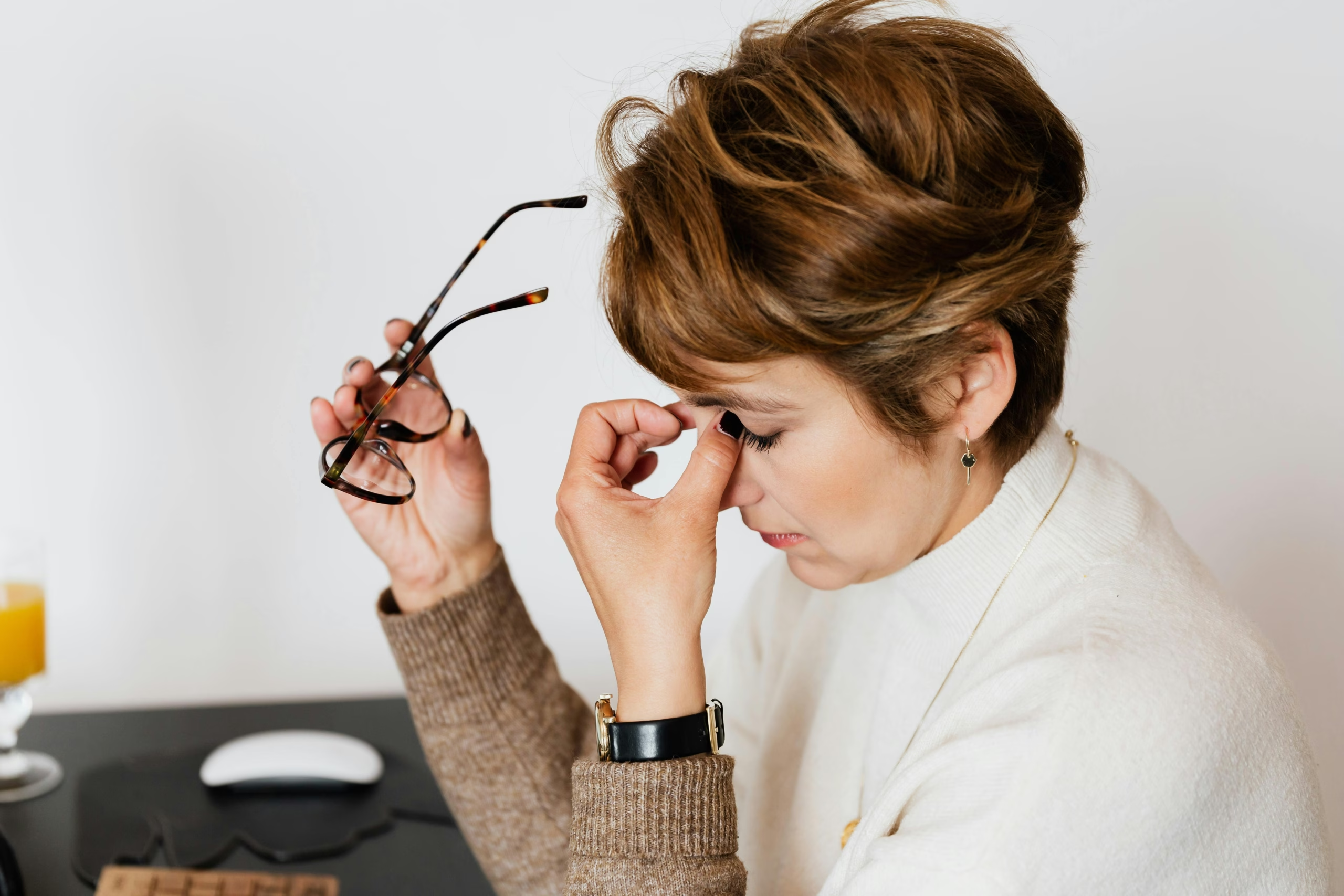
Reduced get up and go
Brain fog
Testosterone can support brain functions such as memory, problem solving and attention. It can influence neurotransmitters such as dopamine which have a role in concentration, memory and mental clarity.
Low levels of testosterone may be linked to symptoms such as trouble concentrating, reduced memory, mental fatigue and overwhelm.


Weight gain
Low mood or mood swings
Testosterone plays a significant role in regulating our emotional well-being, in particular down to its role in regulating neurotransmitters dopamine and serotonin which are crticial for mood regulation. Low testosterone levels can result in symptoms such as low mood or sadness, anxiety, mood swings, mental fatigue and reduced joy or motivation with activities

I think I might have low testosterone ... what next?
Usually a blood test would be the next step to check for testosterone levels (as well as other markers if indicated to look for other causes of symptoms).
There are guidelines around testosterone prescribing. It may be that testosterone replacement therapy is an option if you have already been established on conventional HRT, and there is ongoing low libido (see FAQs for more information)
If you have any questions why not book a discovery call below!