

If you’ve been feeling anxious, low, exhausted, or just not quite like yourself lately you’re not alone, and there may be more going on than stress or “just life.”
Many people in this situation are told everything is “normal,” yet they still don’t feel right. That can be confusing, frustrating, and at times quite isolating.
Mental health symptoms are often influenced by a combination of factors, including hormones, gut health, stress, sleep, and lifestyle, all working together in the background.
Why you might not feel like yourself
When your body is under strain, it doesn’t always show up in one clear way. Instead, it can look like:
- anxiety that feels out of character
- low mood or emotional sensitivity
- constant fatigue, even after rest
- brain fog or difficulty concentrating
- feeling overwhelmed more easily than usual
Often, there isn’t a single cause, but a build-up of physical and emotional stressors that eventually affect how you feel day to day.
Why can hormones affect mental health?
Hormones play a major role in how we think, feel, and function.
Changes in oestrogen, progesterone, testosterone, and thyroid hormones can affect:
- mood stability
- energy levels
- sleep quality
- mental clarity
This is particularly common during perimenopause and menopause, but hormonal changes can happen at other times too, especially when the body is under long-term stress.
For many women, it doesn’t feel like a clear transition, but more like slowly not feeling quite right anymore.
If you’d like to understand this in more detail, you can read our blog on:
Hormones and Neurotransmitters: How They Work Together in Your Body
What is the link with our gut and our mental health?
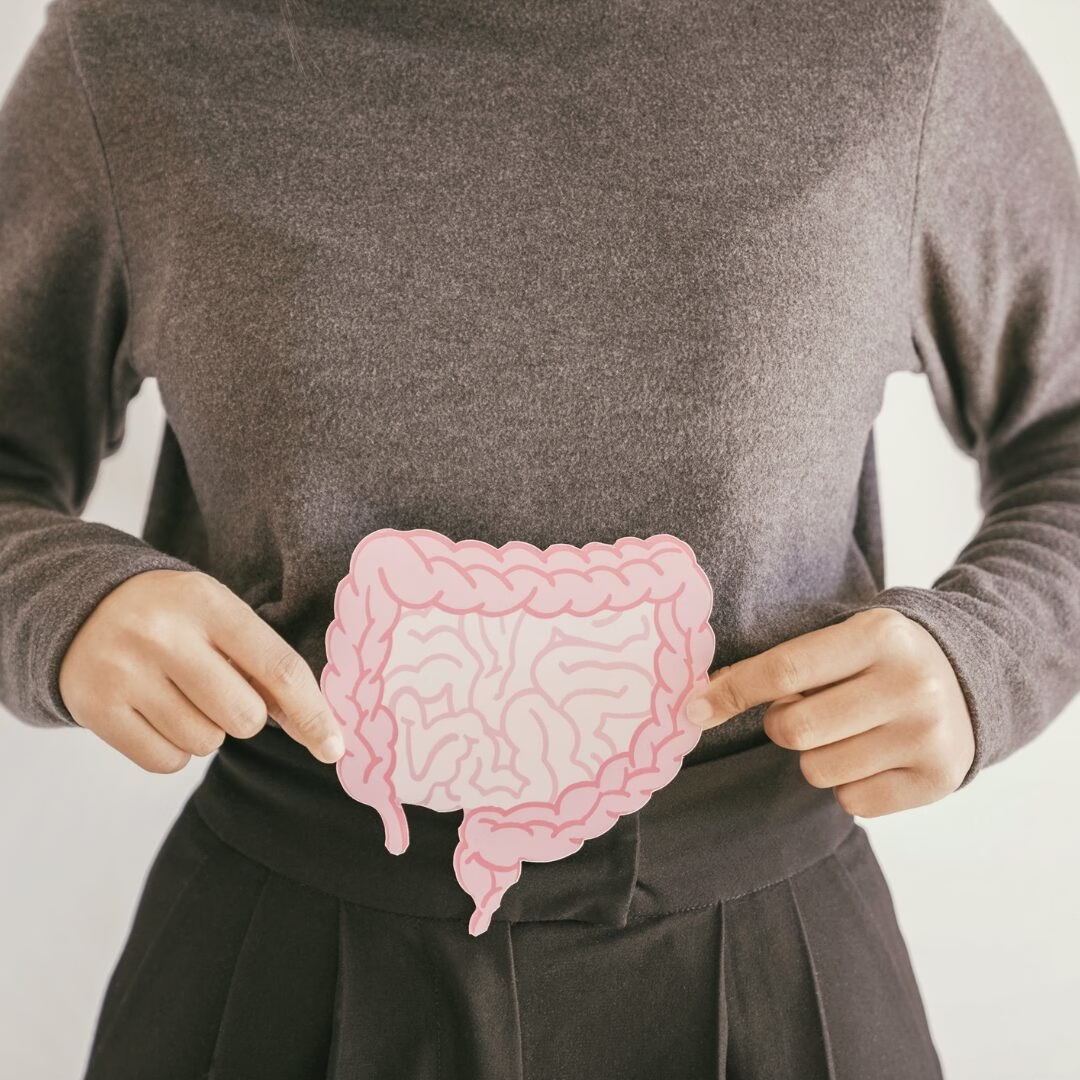
We now understand that the gut and brain are closely connected through what’s known as the gut-brain axis.
Your gut is home to trillions of bacteria that don’t just support digestion, they also influence inflammation, immunity, and the production of brain chemicals that affect mood.
These include:
- Serotonin – linked to mood and emotional balance
- Dopamine – linked to motivation and focus
- GABA – helps calm the nervous system
When gut health is disrupted, it may contribute to symptoms such as anxiety, low mood, poor sleep, or brain fog.
Why can symptoms can feel so hard to explain?
The challenge is that hormones, gut health, and stress don’t act separately – they interact.
- Stress can disrupt gut balance
- Hormonal changes can affect emotional resilience
- Gut imbalance can influence hormone regulation and brain chemistry
This can create a cycle where symptoms persist, even when you’re doing your best to look after yourself.
For many people, the most frustrating part is not knowing why they feel this way.
If you’ve been feeling unlike yourself for a while – especially with symptoms like anxiety, low mood, brain fog, or fatigue – it may be worth exploring whether there is an underlying hormonal or physiological cause.
Sometimes, things like perimenopause, hormone imbalance, or gut health disruption can play a much bigger role than people may think.
At Hampshire Health & Hormones, we take time to understand the full picture – your symptoms, your history, and the possible underlying drivers, rather than just treating things in isolation.
If you are experiencing this, you’d like to explore it further, you’re welcome to book a consultation or get in touch with the clinic.