
Hormones play a vital role in regulating nearly every function in our bodies, from mood and energy levels to metabolism and reproductive health. But what causes them to go out of balance? Let’s explore some common questions about hormone imbalances and the lifestyle factors that may contribute to them.
1. Could stress be disrupting your hormones?
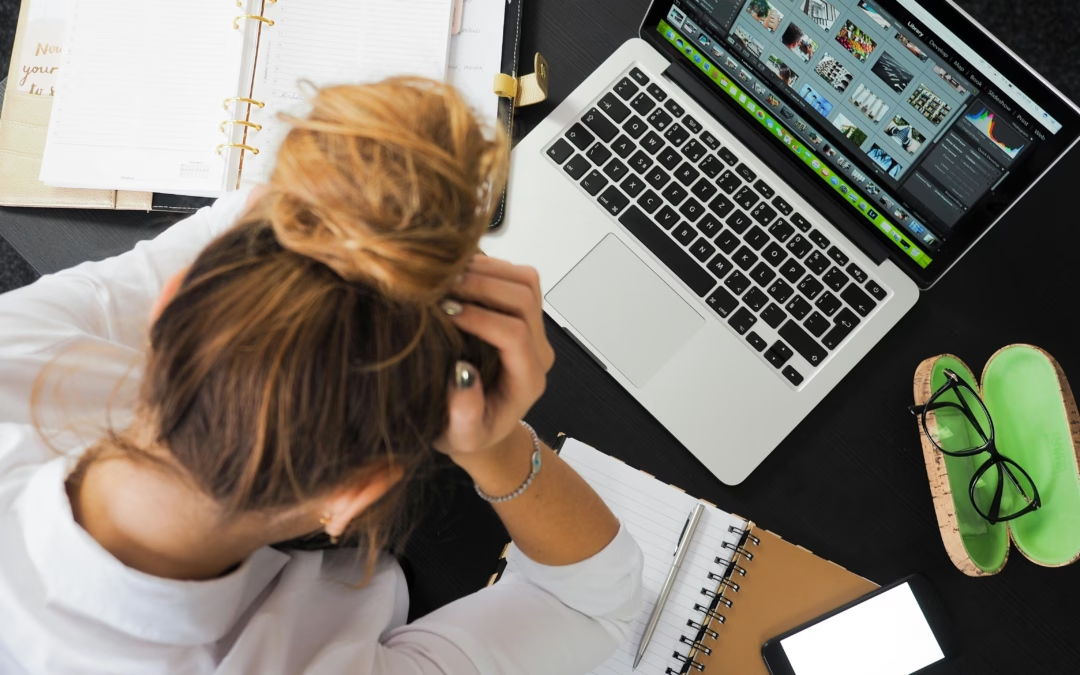
Stress is a significant contributor to hormonal imbalances. When you’re stressed, your body releases cortisol, the “stress hormone.” Chronic stress can lead to elevated cortisol levels, which may interfere with other hormones like insulin, thyroid hormones, and sex hormones.
For example: Imagine you’re juggling a demanding job, family responsibilities, and little sleep. Over time, this can leave you feeling burnt out and physically depleted, a sign that your cortisol levels might be off.
2. Is your diet affecting your hormone health?
The food you eat provides the building blocks for hormone production. Diets high in sugar, unhealthy fats, and processed foods can lead to insulin resistance, inflammation, and disrupted hormonal balance.
For example: Picture a week filled with sugary snacks, fast food, and late-night takeout. This dietary pattern can cause your energy to crash and spike, a clue that insulin might be struggling to keep up.
3. Are you getting enough quality sleep?
Sleep is when your body restores and balances its hormone levels. Poor sleep or sleep deprivation can lead to imbalances in hormones like cortisol, leptin (which regulates hunger), and melatonin (which regulates sleep).
For example: Think of those nights when you stay up late scrolling on your phone or dealing with restless children. After several nights of disrupted sleep, you might notice increased cravings, fatigue, and irritability.

4. Could environmental factors be playing a role?
Exposure to environmental toxins, such as pesticides, plastics, and household chemicals, can disrupt your endocrine system. These toxins, often called endocrine disruptors, can mimic or block hormones in your body.
For example: Consider your daily use of plastic water bottles or non-stick pans. These items might expose you to chemicals that interfere with your natural hormone balance.
5. Is your gut health affecting your hormones?
Your gut microbiome plays a crucial role in hormone regulation. An imbalance in gut bacteria can lead to inflammation, poor digestion, and disrupted hormone function, including oestrogen metabolism.
For example: Think of a time when you had digestive discomfort after consuming processed foods. If your gut health is compromised, it might impact your hormone balance, leading to symptoms like bloating, fatigue, or mood swings.
6. Are natural life stages or conditions affecting your hormones?
Hormonal changes are a natural part of life, especially during puberty, pregnancy, postpartum, and menopause. While these shifts are normal, they can sometimes lead to temporary imbalances.
For example: Imagine the ups and downs of postpartum recovery, when your body is readjusting after pregnancy. These hormonal adjustments can affect your mood, energy, and overall sense of well-being.
A Warm Note from Me to You
As a registered GP and lifestyle medicine doctor, as well as a mother and a woman navigating the seasons of life, I understand how overwhelming hormone imbalances can feel. But please know that you don’t have to navigate this journey alone. Small, intentional lifestyle changes can often make a significant difference, and I’m here to help you every step of the way.
If you’d like to explore personalised strategies to support your hormone health, I warmly invite you to connect with me. Let’s Get Back to Feeling Like You Again!